
Uncategorized
Retatrutide vs Semaglutide
22
Nov
Nov
Retatrutide vs Semaglutide
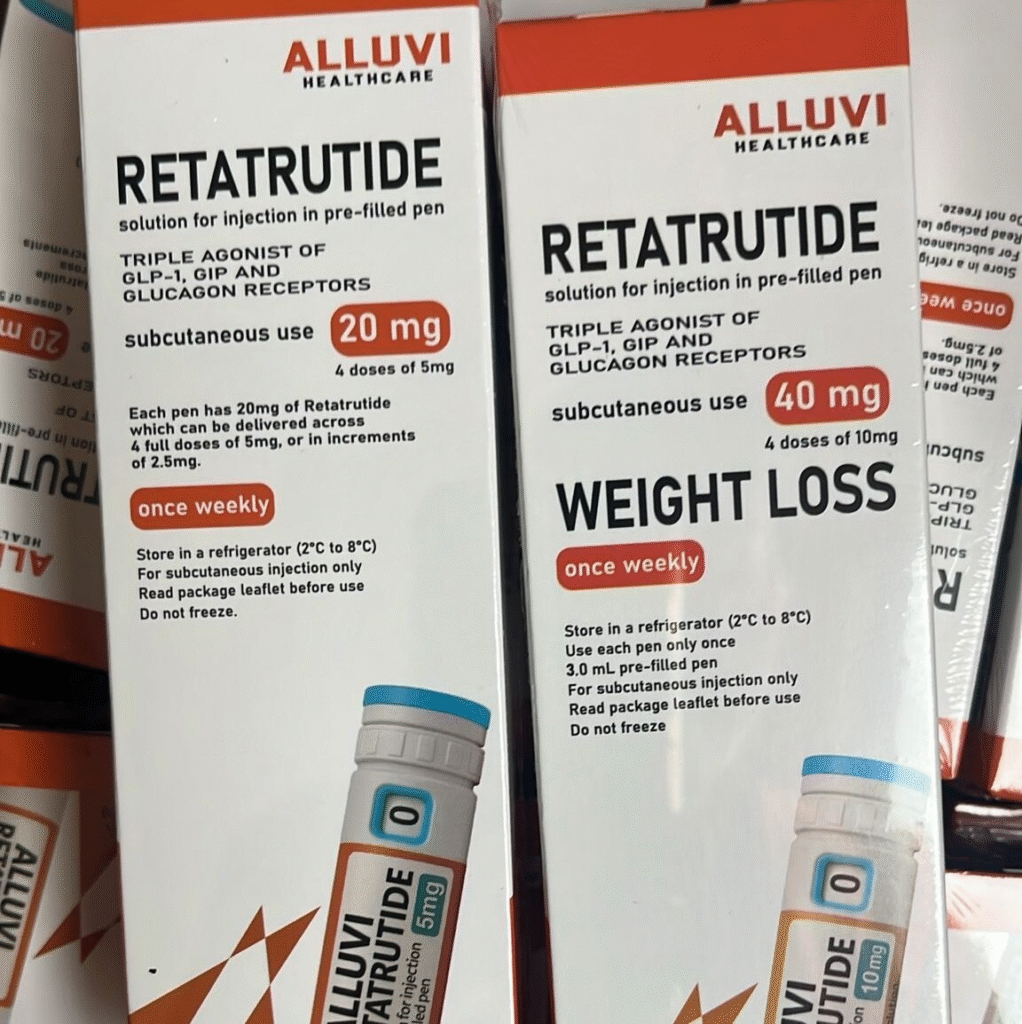
The comparison between Retatrutide and Semaglutide highlights the rapid and escalating advancements in pharmacological treatments for obesity and type 2 diabetes. While Semaglutide is a revolutionary, approved drug with an established track record, Retatrutide is a newer, investigational medication. It has shown even greater efficacy in early clinical trials due to its unique mechanism of action. This article will explore the compelling differences of Retatrutide vs Semaglutide.
Here is a detailed breakdown of how these two powerful treatments differ.
In this analysis, we will delve deep into the Retatrutide vs Semaglutide debate, providing insights on their effectiveness and safety profiles.
Retatrutide vs Semaglutide: A Comparative Overview
Mechanism of Action: Single vs. Triple Agonist
The most fundamental difference lies in the number of hormone receptors each medication targets, dictating their overall metabolic impact.
| Feature | Semaglutide (Wegovy, Ozempic) | Retatrutide (Investigational) |
| Hormone Target | Single Agonist | Triple Agonist |
| Receptors Activated | GLP-1 (Glucagon-like peptide-1) | GLP-1, GIP, and Glucagon (GCG) |
| Primary Actions | Suppresses appetite, slows gastric emptying, improves insulin secretion. | Suppresses appetite, enhances insulin sensitivity, boosts energy expenditure/fat metabolism (via Glucagon receptor). |
The Power of Triple Action
Semaglutide works by mimicking the naturally occurring GLP-1 hormone, which tells the brain you are full and helps regulate blood sugar.
Retatrutide adds two additional components:
GIP (Glucose-dependent insulinotropic polypeptide): Works synergistically with GLP-1 to enhance insulin secretion and reduce hunger.
Glucagon: This is the key difference. While it sounds counterintuitive (Glucagon usually raises blood sugar), its inclusion in Retatrutide is believed to increase the body’s energy expenditure and promote the breakdown of fat cells, leading to a more profound weight loss effect.
Efficacy in Weight Loss: A Significant Gap
Understanding the distinctions between Retatrutide vs Semaglutide is vital for informed treatment decisions.
Clinical trial results have demonstrated that the multi-target approach of Retatrutide yields a significantly higher percentage of weight loss compared to Semaglutide.
| Metric | Semaglutide (Wegovy 2.4 mg) | Retatrutide (Highest Dose in Phase 2) |
| Average Weight Loss | ~15% of body weight | ~24% of body weight |
| Trial Duration | Achieved over 68 weeks | Achieved over 48 weeks |
While Semaglutide’s results (around 15% average weight loss over 68 weeks) were considered groundbreaking when it was approved, Retatrutide has set a new benchmark. It achieved an average weight loss of approximately 24.2% in Phase 2 trials over a shorter 48-week period at the highest dose (12mg).
The ongoing discussion regarding Retatrutide vs Semaglutide continues to gain traction as new data emerges.
The ongoing discussion regarding Retatrutide vs Semaglutide continues to gain traction as new data emerges.
Safety and Side Effects
Both medications belong to the same class of therapeutics and share similar gastrointestinal side effect profiles, which are the most common adverse events.
| Side Effect Profile | Semaglutide | Retatrutide |
| Common Symptoms | Nausea, vomiting, diarrhea, constipation. | Similar GI issues (nausea, diarrhea, vomiting, constipation). |
| Severity | Generally mild to moderate, improving as the body adjusts to the dose titration. | Initial studies suggest a similar profile; however, the activation of the Glucagon receptor warrants continued monitoring for unique cardiovascular effects (such as a temporary increase in heart rate) in ongoing Phase 3 trials. |
| Long-Term Data | Extensive and well-established, with years of use in Type 2 Diabetes (Ozempic) and obesity (Wegovy). | Still limited. Long-term safety is the primary focus of the ongoing Phase 3 trials. |
Availability and Regulatory Status
This is the most critical difference for patients seeking treatment today.
| Status | Semaglutide | Retatrutide
| FDA/MHRA Approval | FULLY APPROVED | NOT YET APPROVED (Investigational)
As patients weigh their options, knowing the differences in Retatrutide vs Semaglutide can significantly impact their treatment journey. Understanding the safety and efficacy profiles is crucial for making informed decisions.
Ultimately, an understanding of Retatrutide vs Semaglutide may help patients make well-informed decisions.
| Availability | Available by prescription (Wegovy for weight loss; Ozempic for diabetes) from licensed pharmacies worldwide. | Only legally available by participating in an authorized clinical trial** sponsored by the manufacturer (Eli Lilly). |
Future Outlook | Established and widely prescribed. | Potential approval and commercial availability are projected around 2026 or 2027, pending successful completion of Phase 3 trials.
Conclusion
Ultimately, an understanding of Retatrutide vs Semaglutide may help patients make well-informed decisions.
Semaglutide (Wegovy) is currently the established, highly effective, and legally available treatment for obesity and weight management, with a clear and long-studied safety profile.
Retatrutide is a powerful future contender that demonstrates superior weight loss efficacy in short-term studies, potentially due to its triple-agonist action which promotes both appetite suppression and enhanced energy expenditure. However, due to its investigational status, it cannot be legally prescribed outside of a clinical trial at this time.
In conclusion, a thorough examination of Retatrutide vs Semaglutide reveals crucial insights for those considering weight management strategies.
